
To be blunt, in simple terms—yes. But let us explore this before we judge.
We live in a rapidly growing digital age, and screens have become an inevitable part of our lives. Unbeknownst to us, even babies are exposed to screens from a very young age. One can only imagine how much digital exposure a child will encounter as they grow. This is an inescapable reality that everyone must live with. Whether it is school, work, recreation, or even a simple grocery purchase, we can no longer function without digital devices.
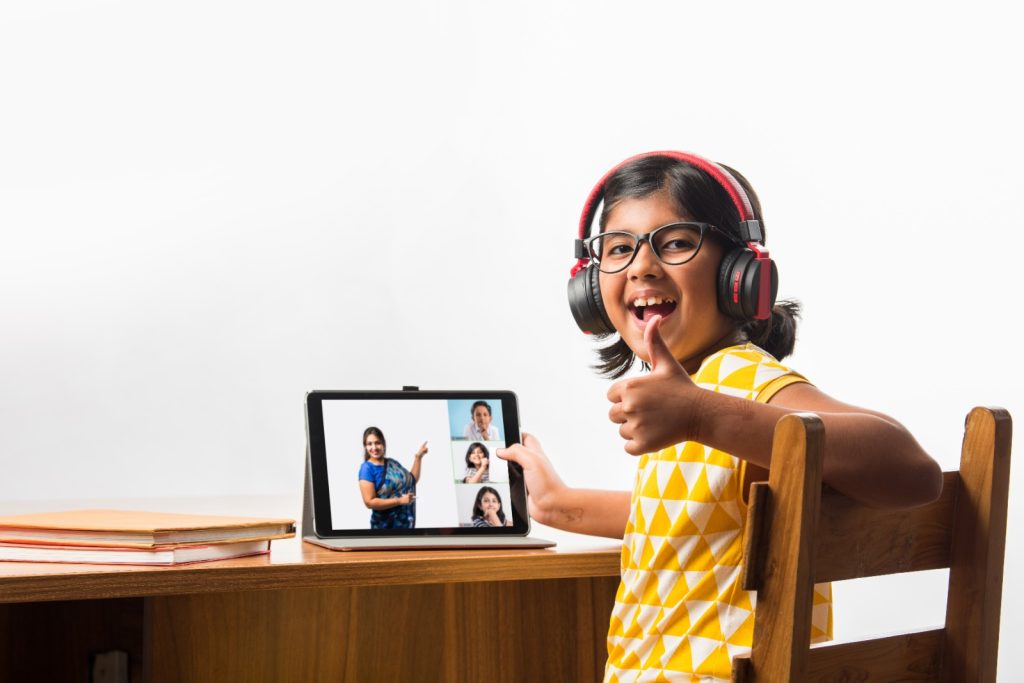
Technology—be it a boon or a bane—is undoubtedly the way forward, especially in the field of education. We witnessed a significant surge in online schooling during the COVID-19 pandemic, when phones, tablets, and laptops played a crucial role in sustaining the education system despite unprecedented challenges. Today, more than ever, we know that access to information is literally at our fingertips. One of technology’s greatest contributions has been in online learning.
Remember! Online schooling is built to become only a part of your child’s life and not their entire life.
Assignments are given not as a punishment, but to enable children to explore their abilities and take pleasure in them. We have curated a list of ways to mitigate screen time
Monitored and Regulated Learning
Leaving a student unattended before a laptop at the comfort of his home is like letting an under-age person drive. This is risky in many ways as they would need direction and would need to be mindful of how thy navigate. So, set time limits on screen activities during and post live or recorded classes. Be a present guardian as much as possible, which in turn would make a child alert. The availability of the modern safety devices will help you keep tab on their online activities.
The internet is used for a plethora of reasons, it is important to encourage children to use it for purposes that will engage them rather than hook them to vain doings.
Limited Screen time
This is the next best and most often the most practical approach. Children thrive well under discipline, routine and fixed schedules early on. The earlier they develop these habits, the easier it gets to inculcate meaningful and scheduled digital learning. Like a traditional school, online schooling follows strict time-tables. Post e-learning hours, encourage the child to undertake offline hobbies such as music, drawing or sport. These not only restrict screen usage but are known to bring holistic development to the child.
Sufficient breaks
A common concern is the fact that the eye develops strain, dryness and fatigue over time with extended screen usage. Short breaks are recommended between sessions, so that children look away from the screen and hydrate themselves. Practice the 20-20-20 rule which is (after every 20 mins look at something 20 feet away for 20 seconds. One step beyond looking away is encouraging them to stand and stretch those stiff muscles caused by long periods of sitting.
Create an enjoyable yet focused learning environment.
One of the goals of an online school is to never get the child bored of daily online tasks especially some of those that are monotonous. Boredom is often coped with distractions, which in an online setting most likely are other unproductive online activities. It is important to help the child focus on his academic priorities, have open conversations about the benefits of technology and promote the joy of e-learning.
Ensure safe and comfortable use
Since the biggest concern with online schooling has always been the effect of screen on health, companies manufacture digital devices that use cutting edge technology that advocate for safe use. Online learning can be made safe and comfortable with the use of blue-light filters, anti-glare glasses, blue light glasses. Innovative AI-driven software can give needed alerts for timely breaks, posture and screen distance.
Like the old saying goes “everything is best in moderation”. There will always be a perfect balance to everything in life if we can find it. We can echo these words for online schooling as well. Screens in this day and age are here to stay, our response is not to avoid it, rather use it wisely and well-within our control. Teach yourselves and the next generation to be empowered by online schooling, not as passive students by resilient ones that march ahead with the times.